What is Inflammatory Bowel Disease (IBD)?

What is Inflammatory Bowel Disease (IBD)?

Inflammatory Bowel Disease (IBD) is a chronic condition characterised by inflammation of the gastrointestinal tract. There are two main types: ulcerative colitis (UC) and Crohn's disease (CD)1,2.

Ulcerative Colitis (UC)

Ulcerative colitis (UC) is an idiopathic inflammatory disorder primarily affecting the colon and rectum. It is characterised by chronic inflammation and ulceration of the mucosal lining of the colon. The exact cause of UC is unknown, but it is believed to involve a combination of genetic, environmental, and immune factors1,2,3. UC is also associated with an increased risk of colorectal cancer4.

Crohn's Disease (CD)

Crohn's disease (CD) is characterised by inflammation and damage to the lining of the digestive tract, which can occur anywhere from the mouth to the anus. CD is not limited to specific lesion sites and can involve any part of the digestive tract, including the small intestine, large intestine, and even the perianal area. The exact cause of CD is unknown, but it is believed to involve a combination of genetic, environmental, and immune factors. The harms associated with CD include complications such as strictures, fistulas, abscesses, and malnutrition1,2,5.

Epidemiology

Incidence6

  • The global age-standardised incidence was 4.97 per 100,000 person-years in 2019 approximately.
  • Geographic variations exist, with higher incidences in western and developed regions. 
  • High-income North America recorded the highest age-standardised incidence at 24.51 per 100,000 person-years in 2019 approximately.

Prevalence7

  • IBD accounted for 4.90 million cases globally in 2019 approximately.
  • The global age-standardised prevalence is 59.25 per 100,000 people approximately.
  • The age-standardised prevalence rate of high-income North America was 209.60 per 100,000 people approximately.

Demographic Profiles of IBD

Ulcerative Colitis (UC)8

  • Present at any time and at all ages
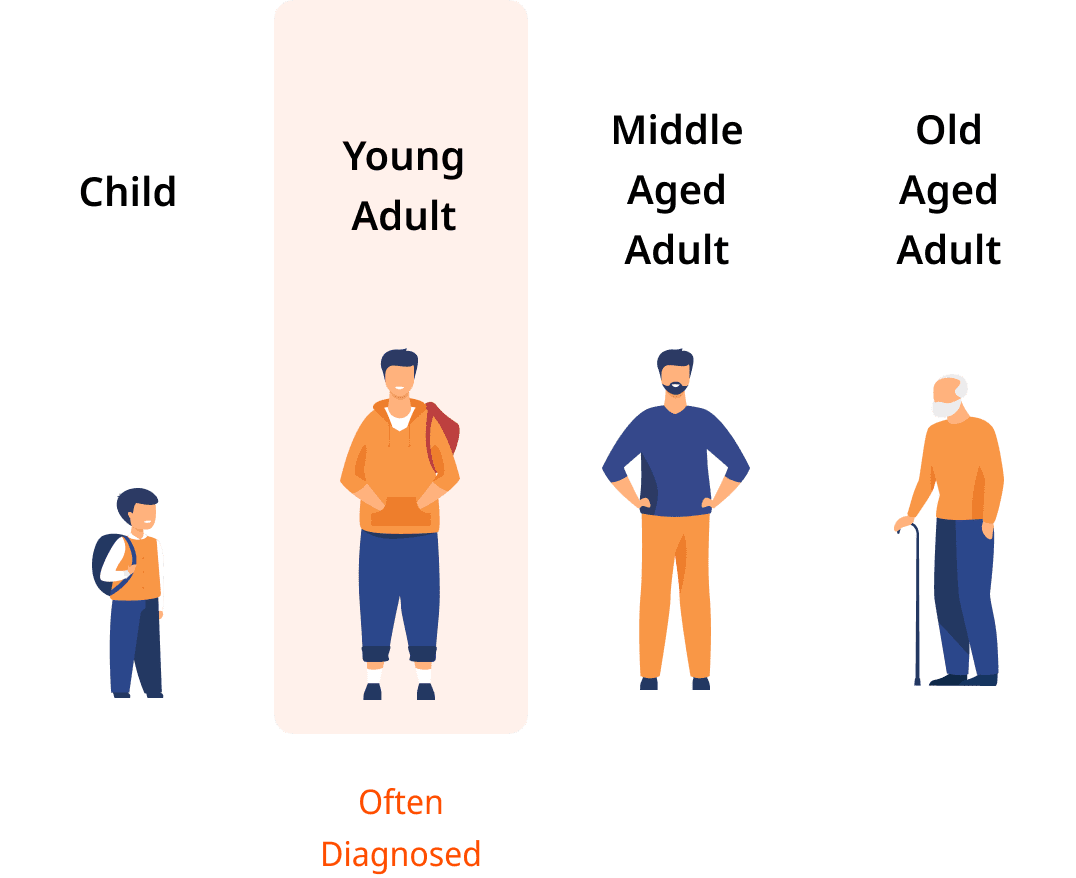
  • Majority of patients with UC are in the 30-40 years age group at diagnosis
  • Both males and females can be affected by UC, with no significant gender predilection.

Crohn's Disease (CD)9,10

  • Can affect individuals of any age.
  • Often diagnosed in young adults, between the ages of 20 and 29.
  • More common among women in Western countries, while in Asia, it appears to be more prevalent among men.

Possible Causes And Risk Factors

A combination of genetic, environmental, and immune factors10
Family history of the disease
Diet and lifestyle
Smoking may contribute to the onset of CD11
Microbial factors, including changes in gut bacteria
Inflammation and dysregulation of the immune system

Signs and Symptoms1

Ulcerative Colitis (UC)

Rectal bleeding
Diarrhoea
Urgency
Sense of pressure in rectum
Abdominal pain
Cramping and weight loss
Fever, anaemia, inflammation of other body parts (e.g. joints, skin, eyes)

Crohn's Disease (CD)

Rectal bleeding
Chronic diarrhea
Abdominal pain
Fatigue
Fever
Weight loss

Diagnosis

The severity of IBD varies from mild to severe, and is classified according to symptom severitys.

Level of Severity
Mild
Moderate
Severe

Biopsy findings15

UC
CD

Endoscopic findings12

UC
CD

Standard Treatment

Mild:
Moderate to severe:
Mild:
Moderate to severe:
* Not all biologics or small molecules work for both diseases

Consequences2,4